The Reading Refuge Themes & Reading List
A grounded, literary and nonfiction journey for healing, identity, and emotional resilience after breast cancer

THEME
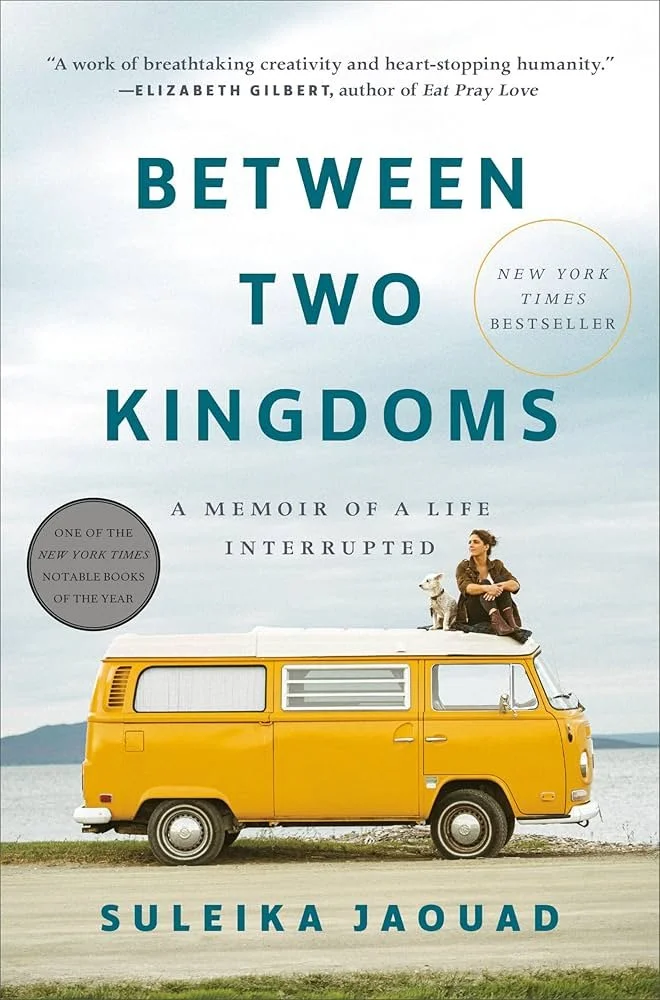
Coming Home to the Body
Breast cancer can reshape how we experience our bodies — physically, emotionally, and psychologically. This month explores how stress, trauma, culture, and emotional suppression influence health, without placing blame on the individual. The focus is on restoring agency, understanding the body with compassion, and recognizing that healing is shaped by both personal and systemic forces.
READING
The Myth of Normal, Gabor Mate, MD with Daniel Maté
SELECTED EXCERPTS: Intro (p.1-11), Ch. 2 (p. 37-51), Ch. 6-7 (p. 85-112), Ch. 25-30 (p. 361-446)
This book challenges the idea that illness exists in isolation from emotional life, chronic stress, trauma, and cultural pressure. For breast cancer survivors, it offers a broader lens for understanding how caregiving patterns, perfectionism, emotional suppression, and long-term stress can shape health — without placing blame on the individual. Maté’s work helps survivors move away from shame or self-criticism and toward a more compassionate, systemic understanding of illness, healing, and the mind-body connection.
Content Notes: Trauma, illness, medical experiences
Emotional Intensity: High
Participant Note:
This reading may feel emotionally dense or reflective. We’ve selected excerpts that we identified as most relevant.
THEME
Meeting Fear Without Being Overwhelmed
Fear — including fear of recurrence, scan anxiety, and uncertainty — is a natural and ongoing part of survivorship. This month focuses on learning how to acknowledge fear without allowing it to dominate daily life. Participants explore tools for responding to emotional distress with steadiness, self-respect, and compassion.
READING
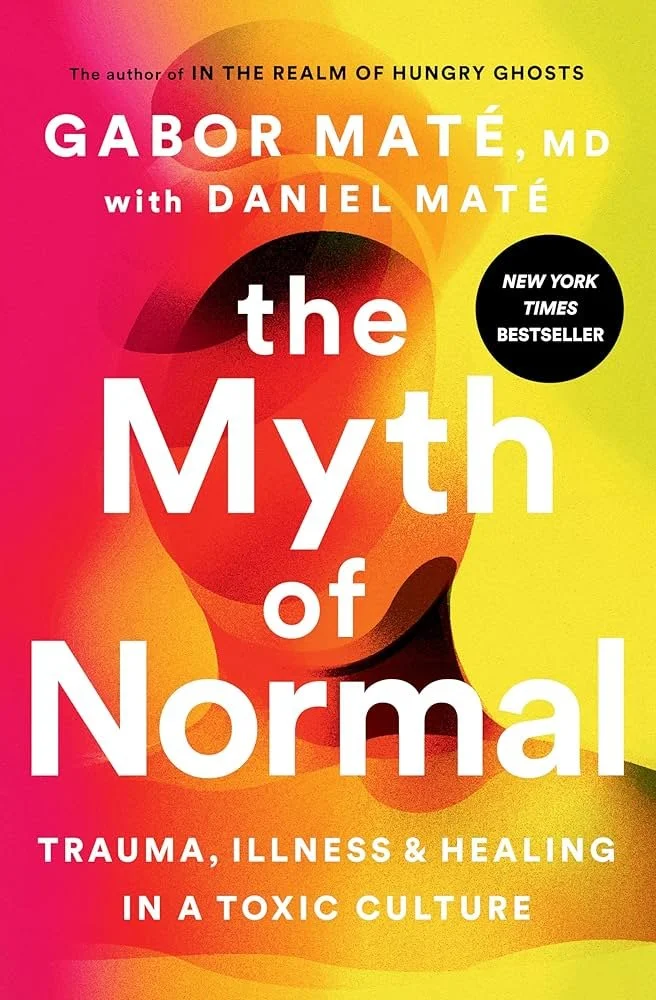
Radical Acceptance, Tara Brach, PhD
Fear of recurrence, scan anxiety, and uncertainty are ongoing realities for many survivors. Radical Acceptance offers practical tools for acknowledging fear without being overwhelmed by it. Through the RAIN framework, survivors learn to recognize anxious thoughts, sit with difficult emotions, and respond with steadiness rather than avoidance or panic. The book supports emotional regulation and self-trust in moments when fear feels persistent or intrusive.
Content Notes: Anxiety, shame, emotional pain
Emotional Intensity: Moderate
Participant Note:
Suitable for those seeking practical emotional coping tools, with space to engage gently at your own pace.
THEME
Self-Compassion in a Changed Life
Survivors often carry pressure to “stay strong,” recover quickly, or remain positive. This month centers on replacing self-criticism with more supportive and sustainable self-talk — especially during fatigue, grief, frustration, or emotional overwhelm.
READING
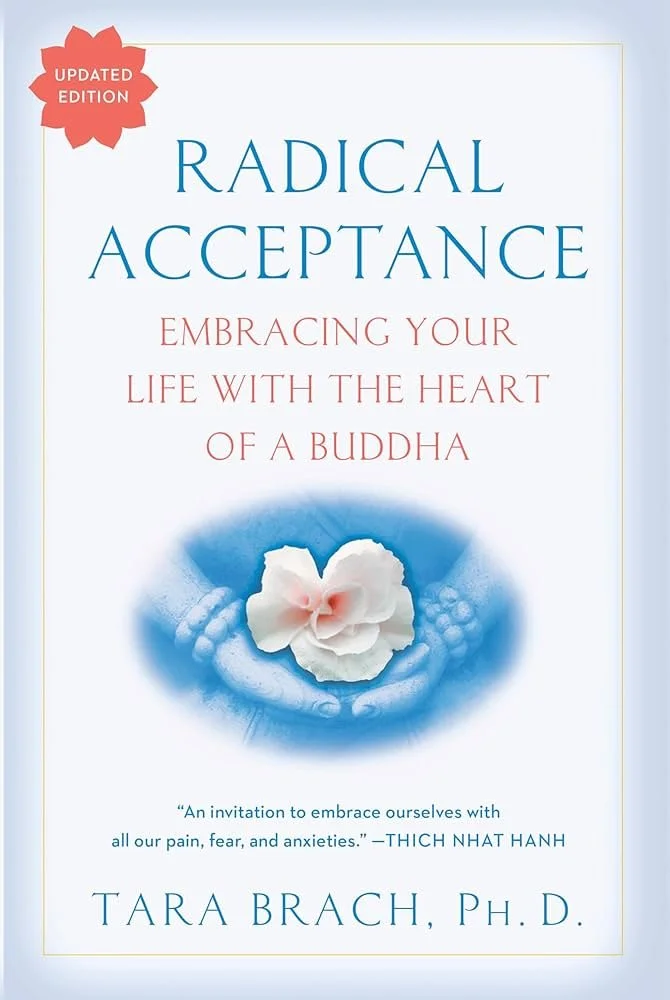
Self-Compassion, Kristin Neff, PhD
Many breast cancer survivors feel pressure to “be strong,” recover quickly, or appear grateful — even when they feel exhausted, frustrated, or emotionally raw. This book reframes kindness toward oneself as a critical coping skill, not a luxury. Neff’s research-based guidance helps survivors reduce self-criticism related to body changes, fatigue, cognitive shifts, or altered identity, supporting more sustainable emotional resilience and healthier self-talk.
Content Notes: Depression, shame, emotional distress
Emotional Intensity: Low to Moderate
Participant Note:
A supportive and skill-building read, appropriate for participants seeking a gentler emotional tone.
THEME
Living in the Present Moment
Illness and recovery often slow the pace of life — sometimes in frustrating, isolating, or unexpected ways. This month reflects on how stillness, patience, and careful attention can become meaningful sources of resilience and perspective, even when life feels limited.
READING
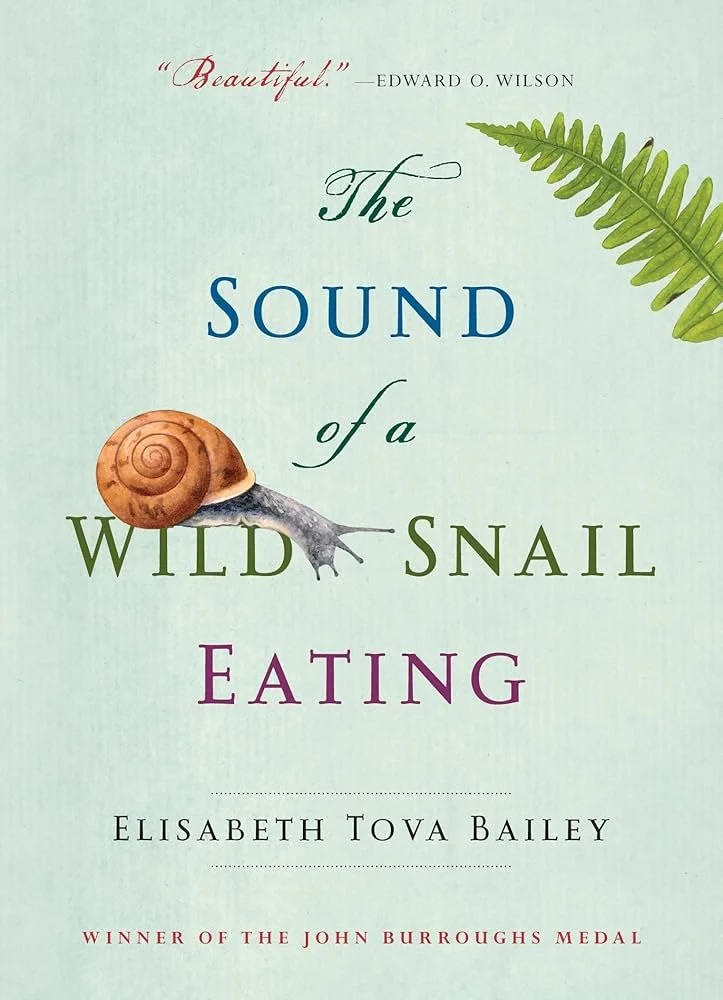
The Sound of a Wild Snail Eating, Elisabeth Tova Bailey
Written during a period of profound physical limitation due to illness, this quiet memoir reflects the emotional and psychological experience of a slowed life. For survivors navigating fatigue, long recovery timelines, or a changed pace after treatment, the book offers a deeply relatable meditation on patience, attention, and finding meaning in stillness. It affirms that a slower life can still be rich, purposeful, and alive with insight.
Content Notes: Chronic illness, isolation
Emotional Intensity: Low to Moderate
Participant Note:
A quiet, reflective book that may resonate with those experiencing fatigue, rest needs, or life at a slower pace.
THEME
Making Space for Grief & Loss
Breast cancer survivorship often includes grief — for one’s former body, lost time, altered identity, or unmet expectations. This month validates sorrow and longing as meaningful emotional responses rather than experiences to minimize or rush through.
READING
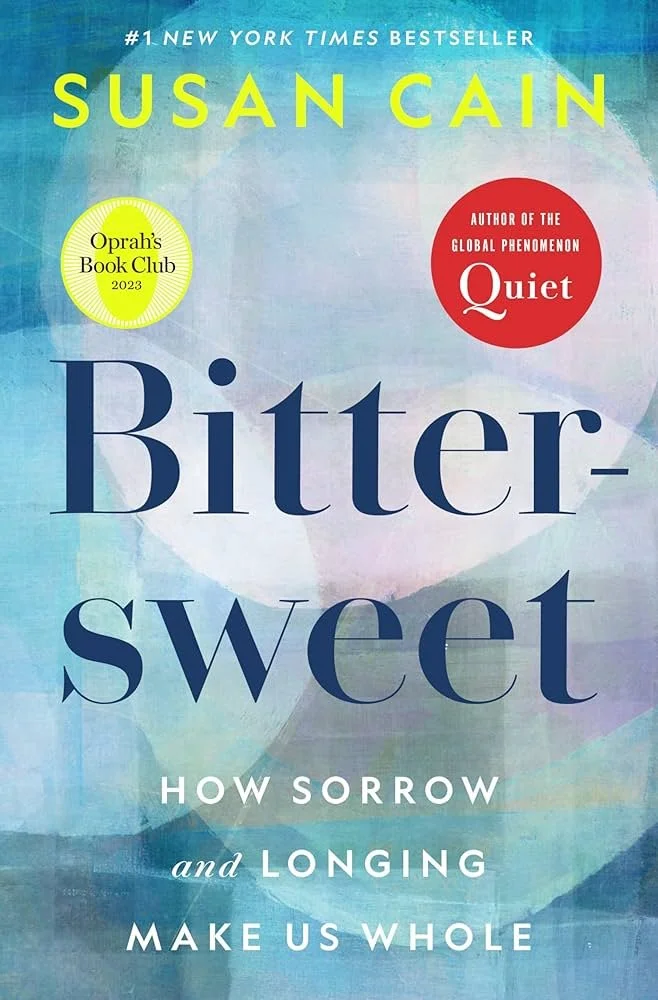
Bittersweet, Susan Cain
Survivorship often includes grief — for the body before cancer, lost time, altered plans, fertility concerns, or a changed sense of self. Bittersweet validates sadness, longing, and emotional depth as meaningful and psychologically healthy responses, not weaknesses. Cain’s work helps survivors understand grief as an expression of love, attachment, and humanity, offering permission to hold both sorrow and meaning without rushing toward forced positivity.
Content Notes: Grief, loss, sadness
Emotional Intensity: Moderate
Participant Note:
This month centers emotional honesty and may feel validating for those processing loss or complex emotions.
THEME
Finding Peace in Ordinary Moments
Peace in survivorship often comes not from dramatic breakthroughs, but from small, grounded choices in everyday life. This month centers on emotional honesty, realistic compassion, and finding steadiness amid imperfect circumstances.
READING
Tiny Beautiful Things, Cheryl Strayed
Through candid, compassionate advice rooted in real human struggles, this book speaks directly to people living with pain, illness, regret, uncertainty, and family complexity. For breast cancer survivors, it offers language for navigating emotional fallout — from changed relationships to identity shifts to lingering fear — with honesty rather than perfection. Strayed’s voice reinforces that peace and stability often come from small, grounded choices in everyday life, not dramatic breakthroughs.
Content Notes: Family conflict, illness, trauma, relationships
Emotional Intensity: Moderate
Participant Note:
Stories reflect real-world complexity; participants are welcome to engage selectively with excerpts.

THEME
Rebuilding Trust in Yourself
After major life disruption, many survivors feel disconnected from their instincts, priorities, or sense of agency. This month focuses on rebuilding self-trust, honoring personal boundaries, and making choices rooted in authenticity rather than external expectations.
READING
Untamed, Glennon Doyle
After cancer, many survivors question old roles, expectations, and identities — as partners, mothers, professionals, caregivers, or women. Untamed speaks to the process of reclaiming one’s inner voice and making choices rooted in authenticity rather than obligation. For survivors rebuilding autonomy after medical decision-making, physical vulnerability, or life disruption, this book supports boundary-setting, self-trust, and permission to redefine what a meaningful life looks like.
Content Notes: Identity, relationships, family, sexuality
Emotional Intensity: Moderate
Participant Note:
This reading may resonate strongly for those reflecting on identity, boundaries, and life transitions.

THEME
Living with Uncertainty
Recovery often includes periods of low energy, emotional vulnerability, and uncertainty. This month reframes rest, retreat, and slower seasons not as failure, but as essential phases of healing and renewal.
READING
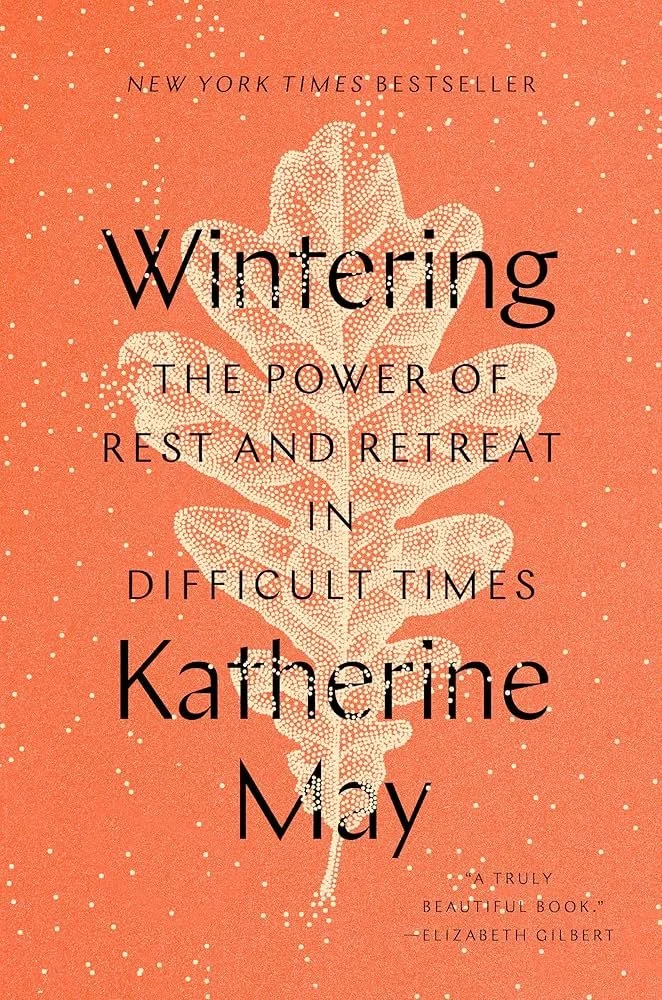
Wintering, Katherine May
Recovery from breast cancer often includes seasons of exhaustion, emotional sensitivity, isolation, and uncertainty. Wintering reframes these slower, quieter periods as natural and necessary rather than signs of weakness or failure. The book resonates with survivors managing fatigue, long-term side effects, or emotional burnout, offering reassurance that rest, retreat, and reduced productivity can be essential parts of healing and long-term sustainability.
Content Notes: Illness, burnout, grief
Emotional Intensity: Low to Moderate
Participant Note:
A grounding and reassuring option for readers navigating fatigue, uncertainty, or slower seasons of life.
THEME
Identity, Femininity, & Wholeness
This month explores how the body holds memory, emotion, and insight — and how reconnecting with bodily awareness can support healing after trauma, surgery, or prolonged medical care.
READING
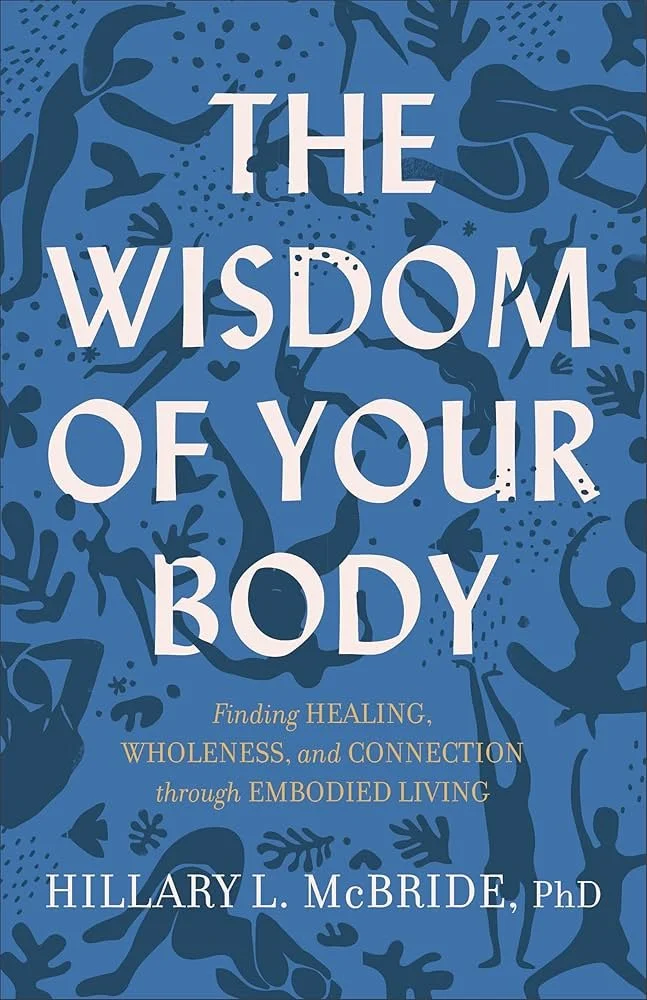
The Wisdom of Your Body, Hillary L. McBride, PhD
Medical trauma, surgery, reconstruction, and prolonged treatment can disrupt trust in the body. This book explores how trauma, memory, and emotion live in the body — and how reconnecting with physical awareness can support recovery and identity repair. For survivors working to rebuild comfort with their bodies, manage triggers, or feel grounded after invasive medical experiences, McBride offers trauma-informed insight into restoring bodily autonomy and self-trust.
Content Notes: Trauma, body image, emotional memory
Emotional Intensity: Moderate to High
Participant Note:
This reading includes themes that may feel personal for survivors reconnecting with their bodies. Excerpts are recommended for those who prefer a lighter approach.
THEME
Redefining Strength & Resilience
Survivors are often expected to appear strong or endlessly positive. This month challenges that narrative by reframing vulnerability, honesty, and emotional openness as meaningful and sustainable forms of strength.
READING
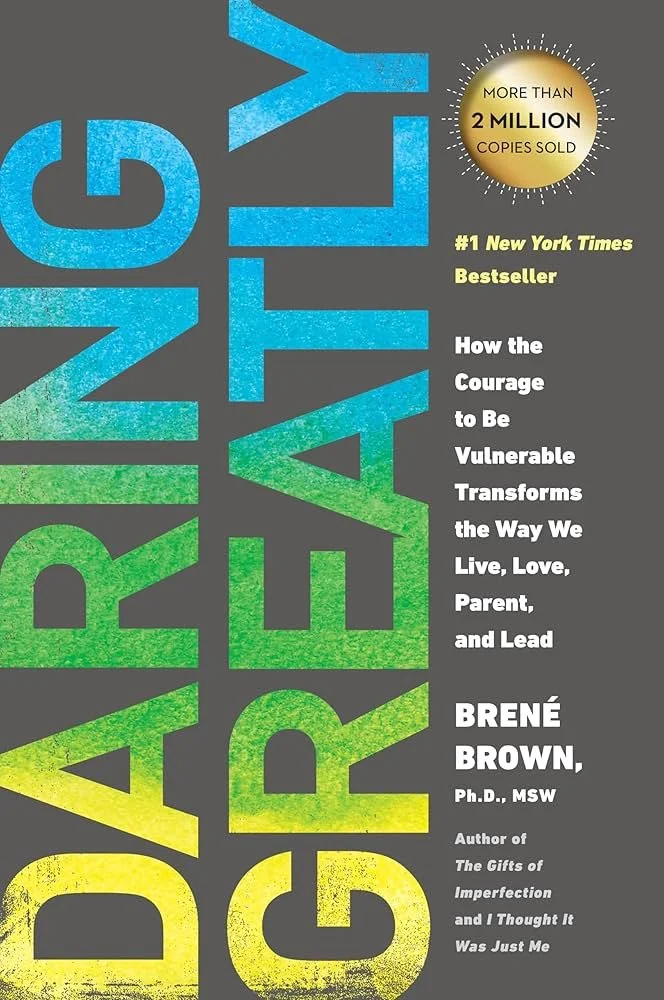
Daring Greatly, Brene Brown, PhD, MSW
Breast cancer survivors are often labeled “strong,” which can create pressure to hide fear, grief, or vulnerability. Daring Greatly challenges the idea that resilience means emotional toughness or constant positivity. Instead, it reframes openness, honesty, and asking for support as real courage. The book supports survivors in releasing shame, deepening connection, and embracing a form of strength that allows for authenticity rather than emotional suppression.
Content Notes: Shame, vulnerability, emotional exposure
Emotional Intensity: Low to Moderate
Participant Note:
A broadly accessible and encouraging read, well-suited for participants seeking growth with a balanced emotional tone.
THEME
Connection & Shared Humanity
This month centers on connection — to loved ones, memory, meaning, and shared humanity — especially in the context of serious illness. Participants reflect on how love and presence shape the experience of uncertainty and mortality.
READING
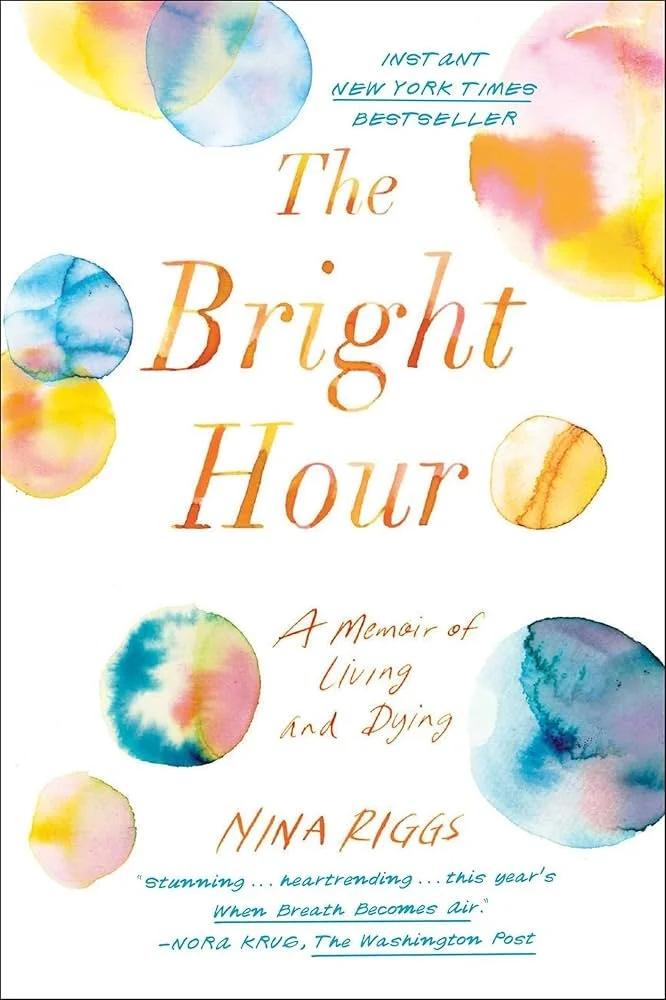
The Bright Hour, Nina Riggs
Written during the author’s experience with terminal breast cancer, this memoir offers a rare, honest perspective on love, parenting, fear, mortality, and meaning. For survivors, it can deepen reflection on legacy, relationships, gratitude, grief, and what it means to live fully amid uncertainty. The book affirms the emotional complexity of cancer — acknowledging fear and sorrow while also honoring humor, tenderness, and connection.
Content Notes: Terminal illness, death, parenting
Emotional Intensity: High
Participant Note:
This month explores deeply personal themes related to serious illness and legacy. Participants are encouraged to engage at a pace that feels emotionally safe, with excerpt-based participation welcomed.
THEME
Meaning, Growth, & Moving Forward
As the program’s closing month, this theme focuses on integration — how illness reshapes identity, relationships, priorities, and future direction. Rather than framing survivorship as triumph or transformation, participants explore how meaning evolves over time.
READING
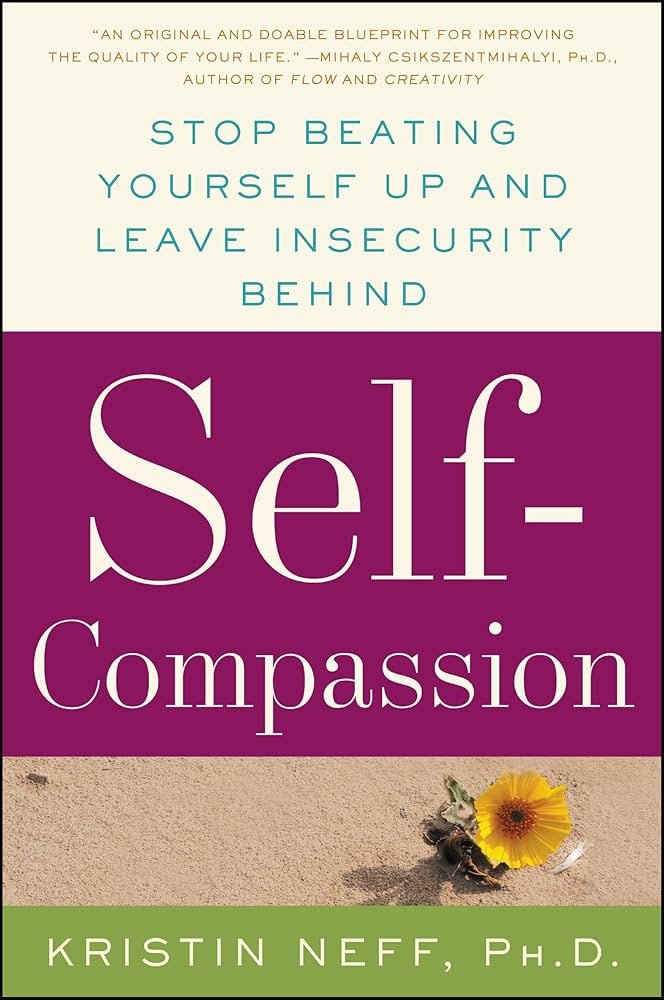
Between Two Kingdoms, Suleika Jaouad
This memoir captures the disorienting transition from active cancer treatment into the long, uneven reality of survivorship. Jaouad explores fatigue, ambition, identity shifts, lingering fear, and the challenge of rebuilding a life after illness. For breast cancer survivors navigating “what comes next,” the book validates that recovery is rarely linear — and that meaning, purpose, and belonging can evolve gradually over time rather than arriving as a sudden transformation.
Content Notes: Cancer, recovery, grief, identity
Emotional Intensity: Moderate to High
Participant Note:
A meaningful close to the series that reflects the realities of survivorship. Readers may choose full or excerpt-based engagement depending on energy and emotional readiness.